
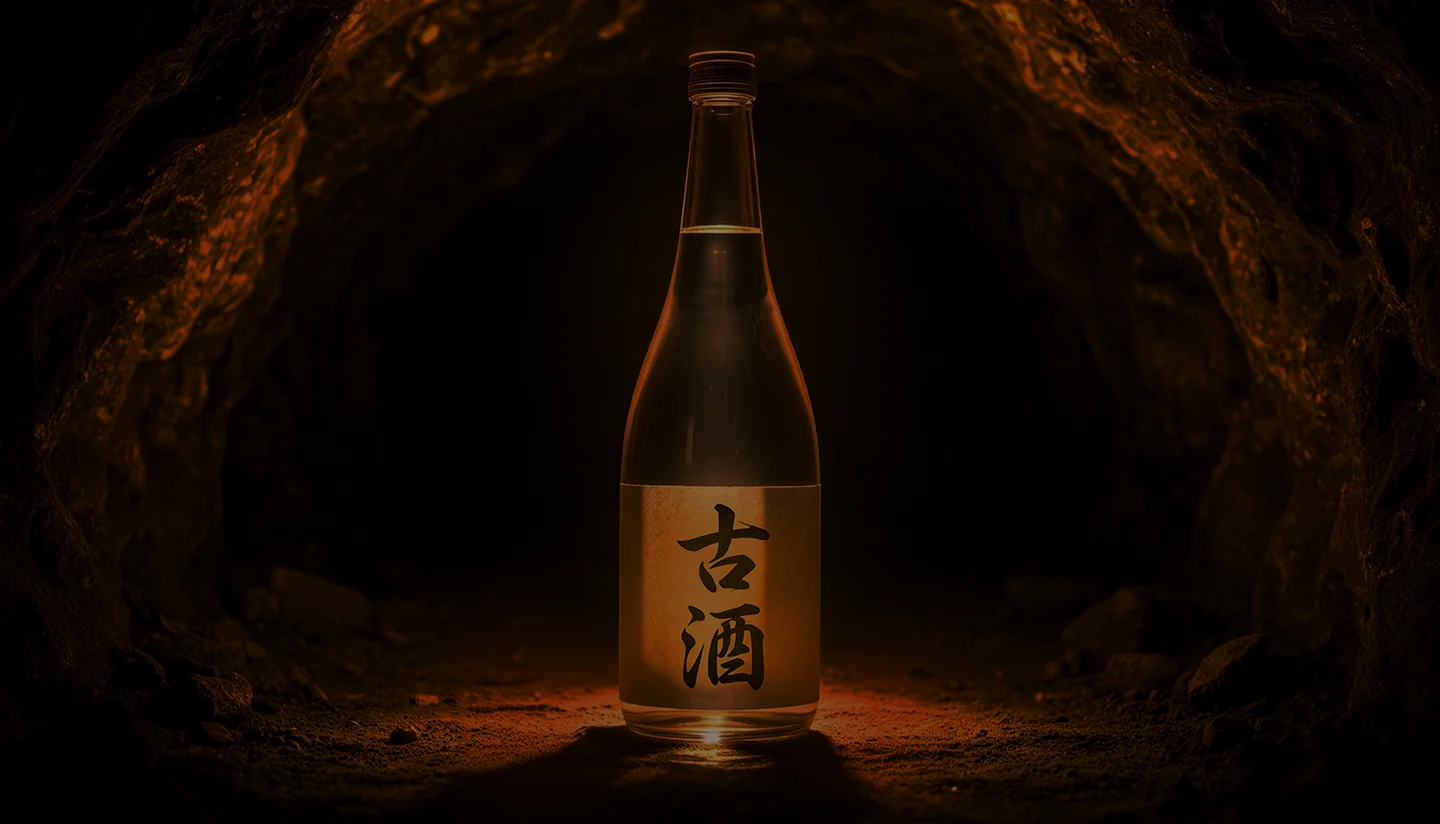
Time, Bottled.
Long before sake became something to drink fresh,
Japan's finest brewers believed in patience.
Quietly resting for years in dark cellars, evolving into something deeper.
memory, culture, and time itself.

A Drink That Evolves
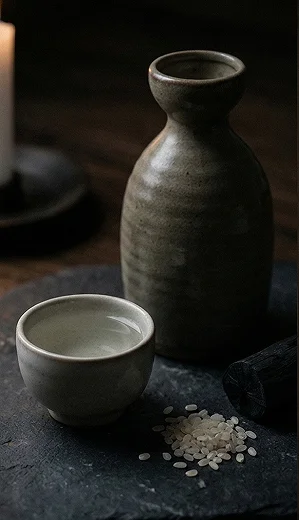
Most sake is enjoyed young and fresh, bright, delicate, and fleeting. But Koshu follows a different path. As the years pass, the liquid slowly transforms. Clear sake deepens into amber tones. Aromas evolve into notes of caramel, dried fruit, nuts, and dark honey.
Once the Finest Sake in Japan
During the Edo period, aged sake was considered the highest form of brewing. Some vintages were stored for five, even nine years, and sold at several times the price of ordinary sake.
Then history intervened.
In the late 19th century, government tax laws forced breweries to sell sake immediately after production. Aging became economically impossible.

Rediscovering Time
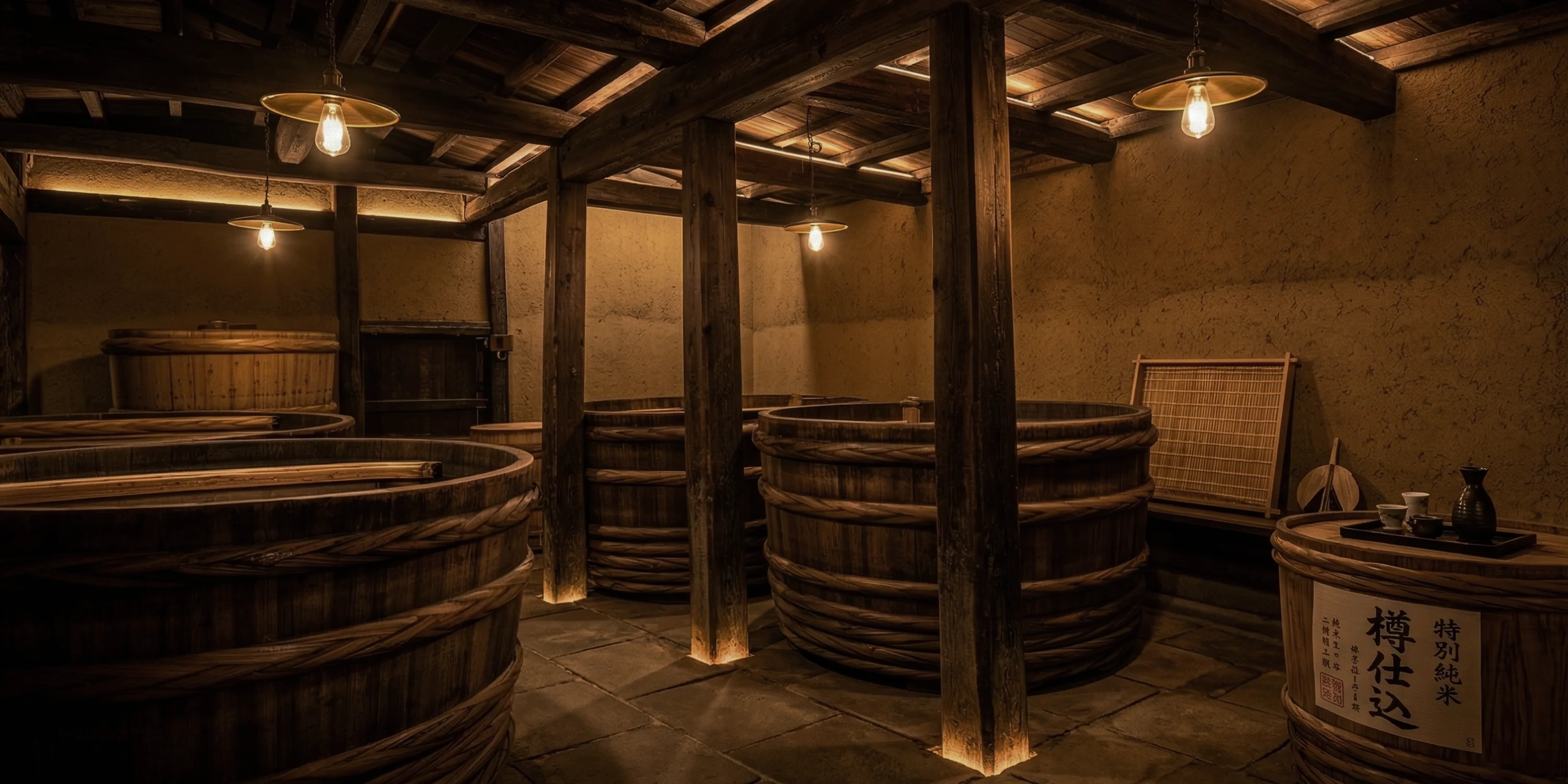
In recent decades, a new generation of brewers has revived
the craft. Aged sake now matures in carefully controlled
environments, cool caves, silent cellars, and dark tunnels.
complexity, and character.
production - but its revival represents a return to
one of Japan's oldest brewing traditions.
Beyond Vintage
Sake is shaped by three key choices: how the rice is polished, whether alcohol is added, and how long it is aged. Together, these create a wide spectrum of styles
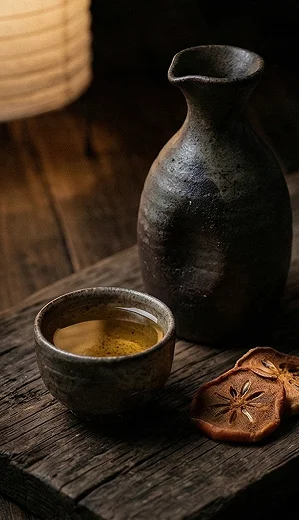

Koshu (Aged Sake)
Sake intentionally aged to develop depth and complexity. Richer color, layered aromas, and smooth maturity.


Daiginjo
Ultra-premium sake with rice polished to 50% or less. Highly aromatic, delicate, and refined.
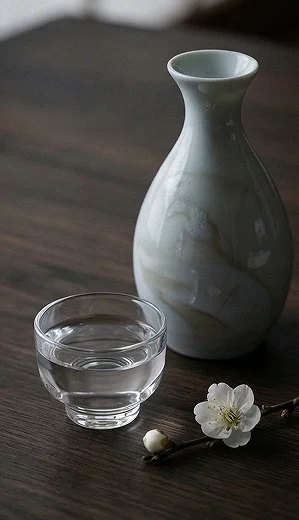

Ginjo
Premium sake with rice polished to 60% or less. Elegant, fruity aromatics with balanced complexity.

Junmai
Pure rice sake with no added alcohol. Fuller body emphasizing natural rice character and umami.

From Local Craft to Global Tables
For centuries, sake remained close to home, served in quiet bars, temples, and celebrations across Japan.
Today, its story travels further.
Vintage sake, rare regional brews, and modern expressions are finding new audiences around the world.
It carries place, tradition, and craftsmanship.
Bring Culture Across Borders
Export AI exists to help products like these move across the world without losing their story.
Our role is simple: to ensure they reach new markets clearly, compliantly, and confidently.


